Buying, selling or refinancing a manufactured home with an FHA, VA or HUD loan? Your lender needs documented proof that the home sits on a permanent foundation that meets HUD guidelines. We inspect it, fix what needs fixing, and deliver the engineer's certification letter that lets your loan close.
Government-backed manufactured-home loans — FHA, VA and USDA/HUD programs — all require that the home rest on a permanent foundation. Not just blocks and jack stands, but a system of anchors, piers, footings and moisture control that meets the 1976 HUD guidelines and the standards laid out in the Permanent Foundations Guide for Manufactured Housing (PFGMH). Before a lender will release funds, they require a certification letter from a licensed engineer confirming the foundation actually meets those standards.
That single document is often the last hurdle between a family and their home. It is also where a lot of transactions stall — because most general contractors have never crawled under a manufactured home, don't know what a HUD-compliant tie-down system looks like, and can't turn a failed inspection into a passed one without weeks of back-and-forth. We can, and we do it every week.
Mesic Contracting has specialized in manufactured, modular and park model homes since 1992. Owner Tim Mesic worked in a factory that built more than 10,000 homes and has personally helped more than 20,000 homeowners — so he knows these foundations from the assembly line to the crawl space. When we handle your certification, you get a single team that inspects, documents, repairs and coordinates the engineer's letter, so nothing falls through the cracks while your closing date approaches.
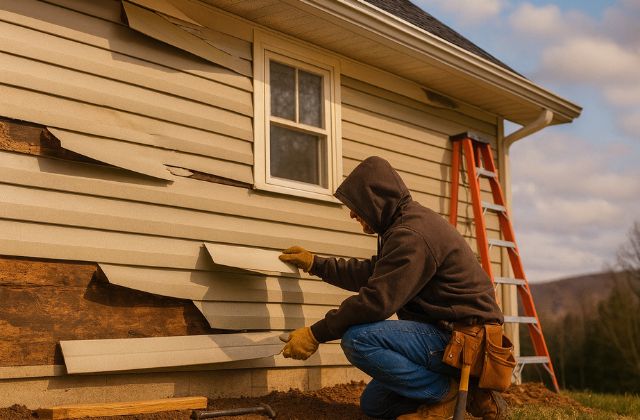
Lenders won't fund an FHA, VA or HUD loan without documented proof of a compliant permanent foundation. A missing or failed certification doesn't just slow things down — it can delay closing, kill a sale, or stop a refinance in its tracks after appraisals, inspections and rate locks are already in motion.
Because these certifications are almost always tied to a closing date, they are deeply time-sensitive. The good news is that most "failures" are fixable: an anchor short of spec, missing vent area, a compromised vapor barrier, or a pier that needs a proper footing. We identify those items up front, correct them to HUD standards, and get the engineer back out — instead of leaving you to hunt for a separate repair contractor while the clock runs.
A HUD-compliant foundation is a system, and the engineer evaluates every part of it. Here is what we inspect, document and — where needed — repair before certification:
When an inspection turns up problems, we fix them. Below is a foundation before our corrective work — and the same foundation after it was brought up to HUD standards and cleared for certification.
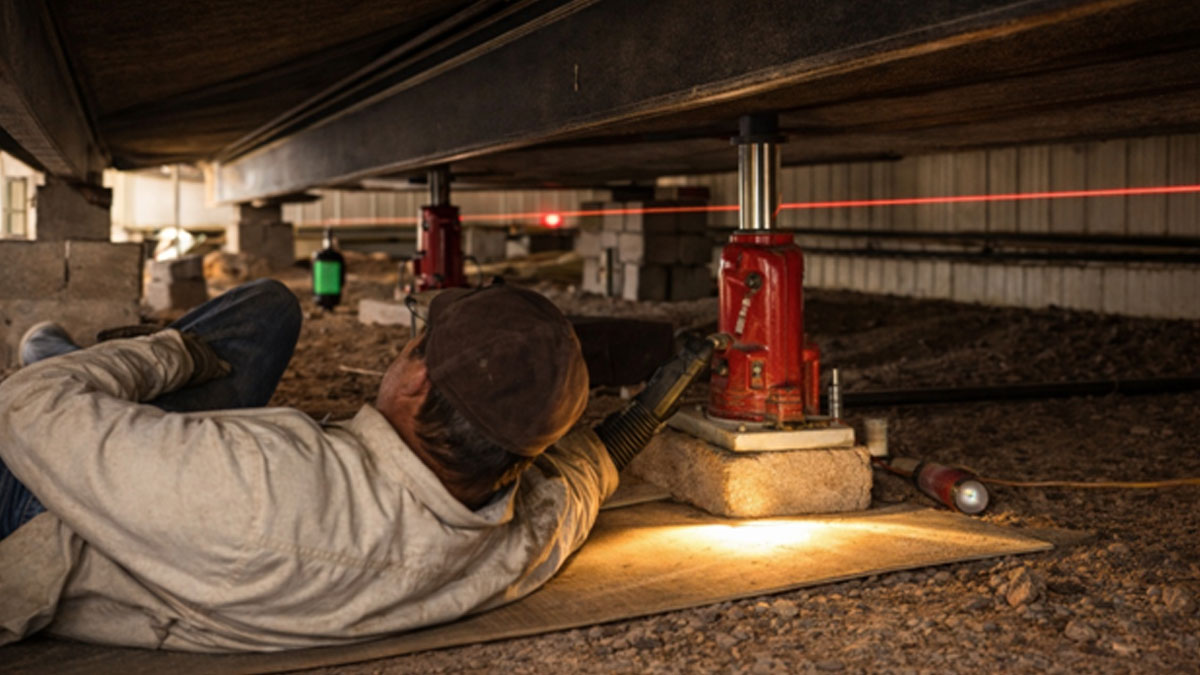
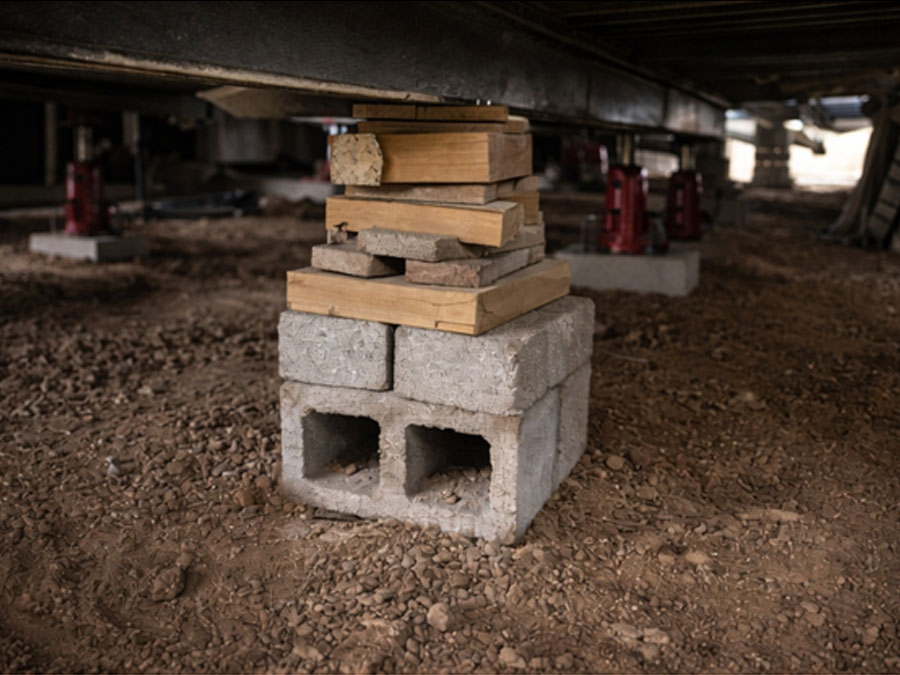
We come to the home and inspect the full foundation system — anchors, piers, footings, skirting, venting and vapor barrier — and document every component with clear, dated photos the engineer can review.
A licensed engineer reviews our findings and photos against the 1976 HUD guidelines and the Permanent Foundations Guide for Manufactured Housing, and identifies exactly what, if anything, needs to be corrected.
Any required repairs are completed to HUD standards, the engineer re-verifies the work, and the stamped certification letter is issued for your lender — clearing the way for your loan to close.
Most certifications move quickly. After the site visit and photos, a licensed engineer reviews the findings and — if no repairs are needed — the certification letter is typically issued within a few business days. If repairs are required, the timeline depends on the scope, but we prioritize closings and refinances that are on the clock and keep you updated throughout.
If the inspection finds anchors, piers, footings, venting or vapor-barrier issues short of HUD standards, we complete those repairs ourselves. Because we do both the inspection prep and the corrective work, there's no waiting on a second contractor — the engineer re-verifies the corrected items and issues the certification.
Yes. We regularly work directly with lenders, loan officers, title companies and real-estate agents. We know closings are time-sensitive, so we deliver the engineer's certification letter and supporting documentation in the format underwriting expects.
Our focus is manufactured, modular and park model homes. FHA, VA and HUD foundation certifications apply specifically to manufactured housing, and that's exactly the work we've specialized in since 1992.
Yes. The deliverable is a certification letter prepared and stamped by a licensed engineer confirming the foundation meets the applicable HUD guidelines. That letter is what your lender submits to satisfy FHA, VA or HUD loan requirements.
Tell us about your home and your timeline. We'll inspect the foundation, handle any repairs, and coordinate the engineer's certification letter so your FHA, VA or HUD loan can close on schedule.